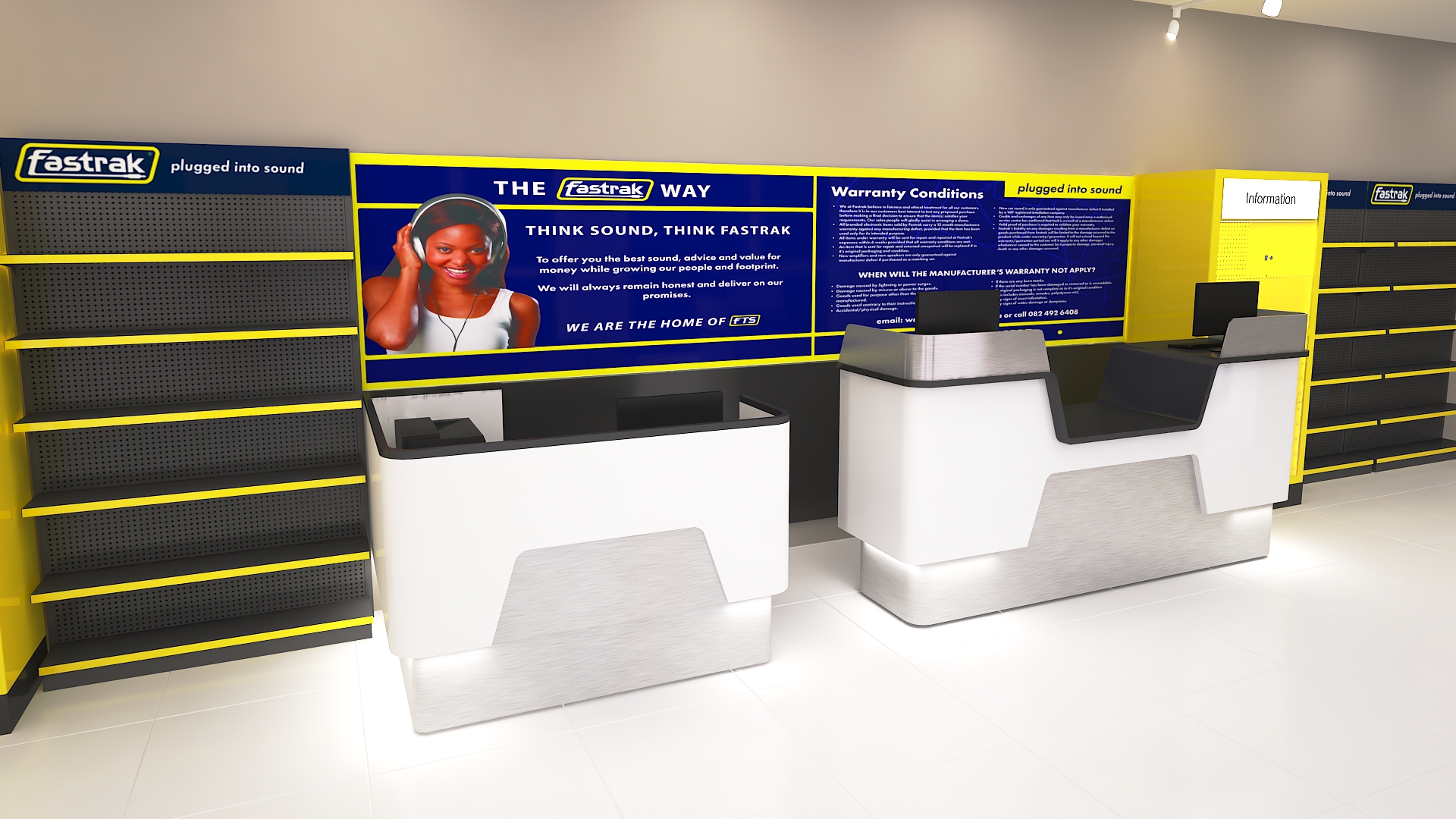
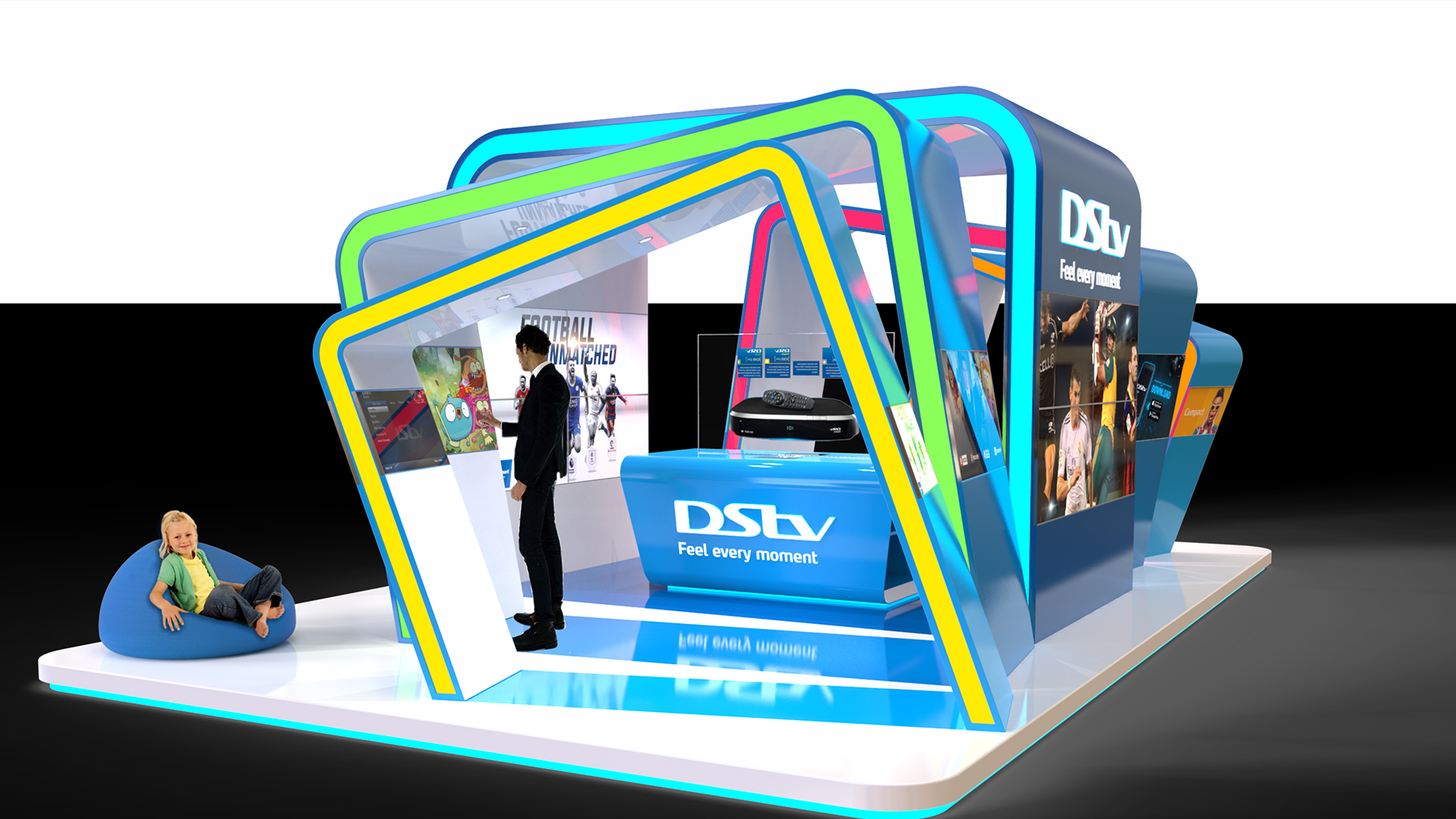
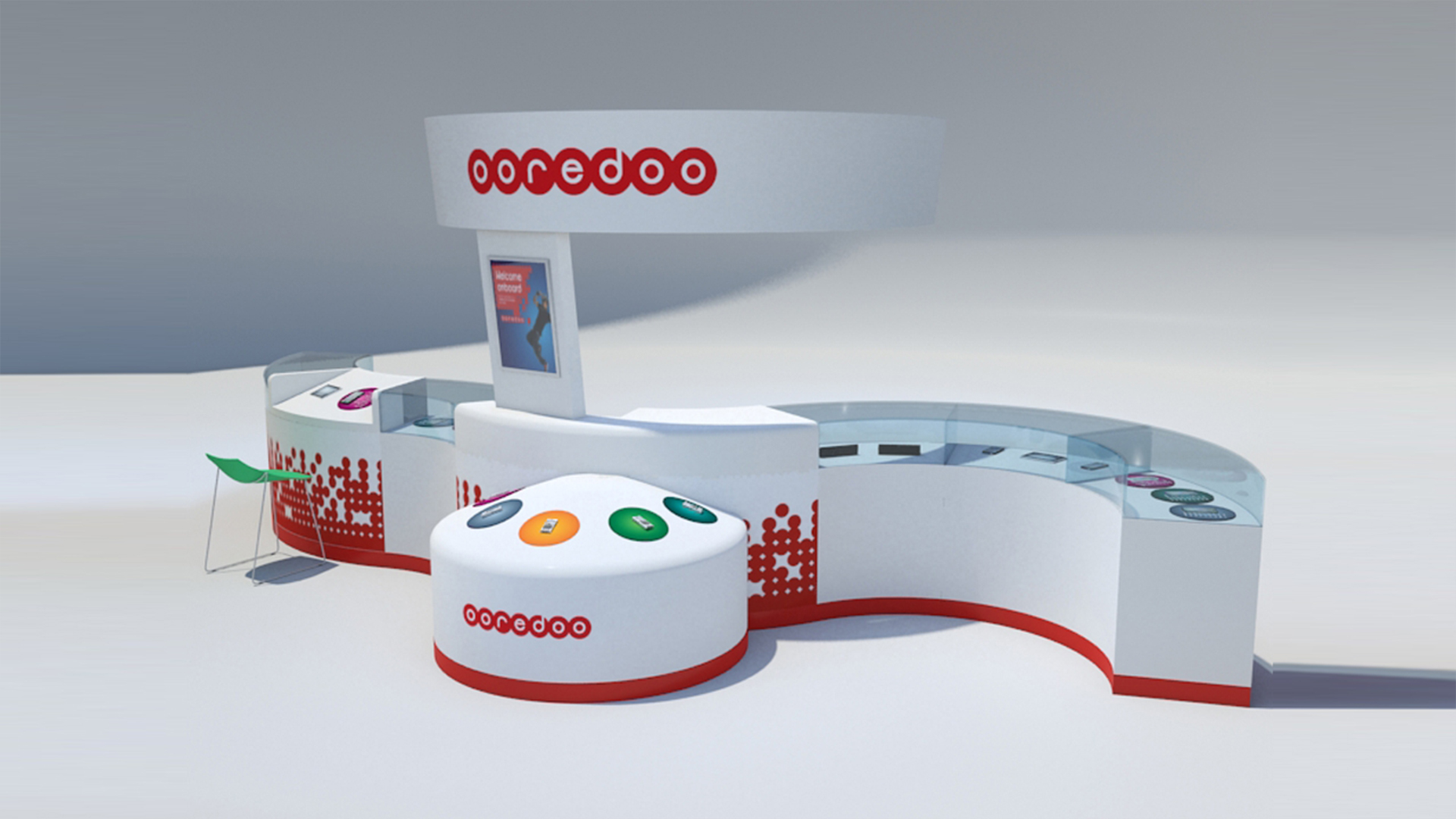
Concept design
Form, function and brand expression explored together from the first sketch.

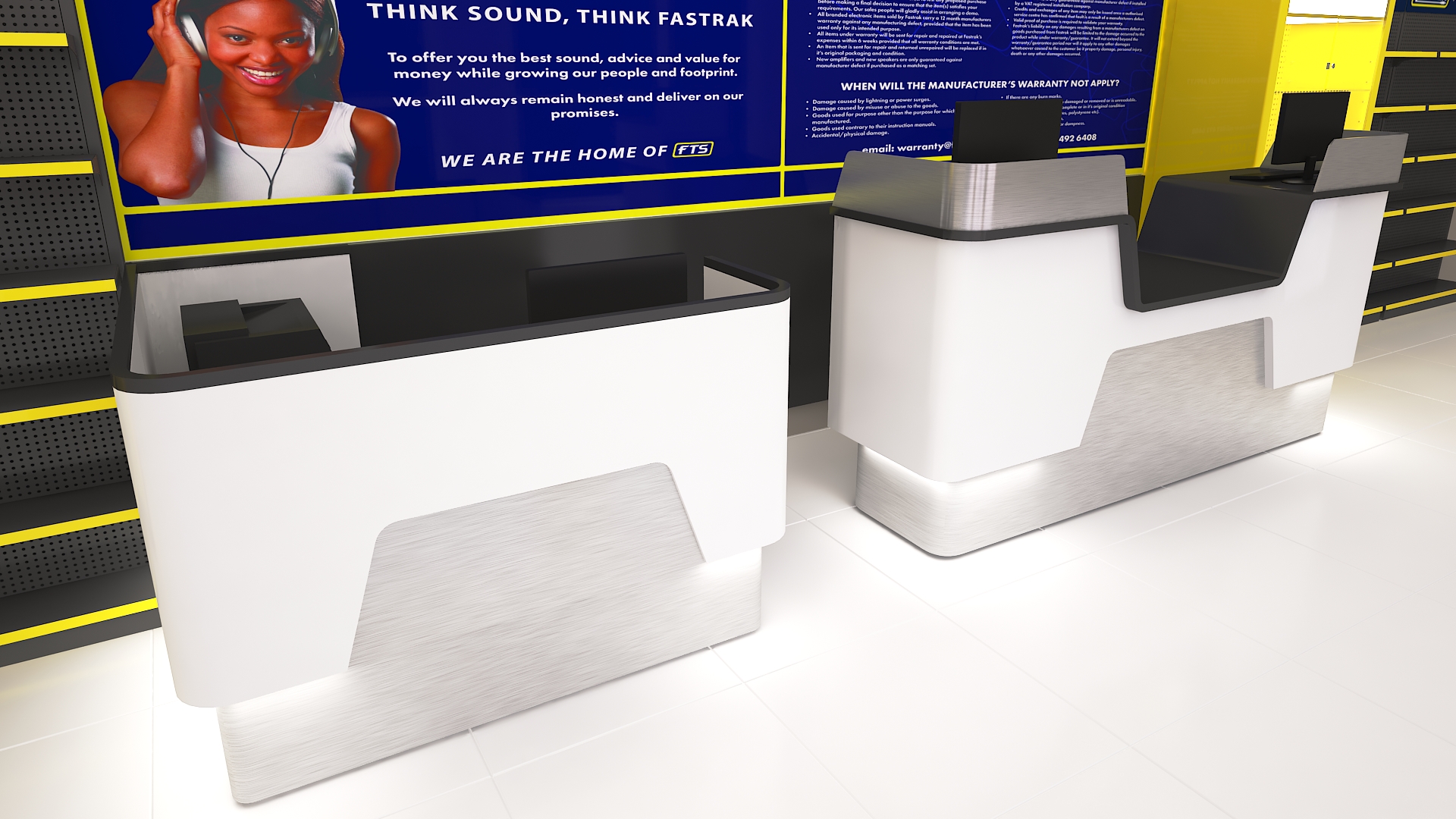
Product and fixture design
We design kiosks, counters, display systems, furniture and customer touchpoints that make commercial spaces work harder.
Product and fixture design
In a commercial environment, the things people touch and use often define how the space feels. A service counter can make a queue clearer. A display can make a product easier to understand. A kiosk can take a brand into places where a full store is not practical.
Brand DNA designs products as part of the wider business environment. We balance brand character with ergonomics, manufacturing, maintenance, movement and everyday use so the final result is distinctive and realistic to produce.
From compact kiosks to customer counters and modular display systems, each design responds to a specific use.
The service can cover a single bespoke item or a family of products used across a larger environment.
Form, function and brand expression explored together from the first sketch.
Dimensions, reach, movement, accessibility, storage and staff needs considered around real users.
Practical choices for structure, finishes, hardware, lighting, power, security and maintenance.
Drawings, visualisations and coordination with fabricators to help translate the design into a finished product.
The best solution usually appears once the real problem is clearly understood.
We identify who will use the product, where it will live, what it must hold or support and the practical limits around it.
We test different forms, layouts and materials through sketches and three-dimensional studies.
The chosen direction is refined around ergonomics, manufacturing, services, maintenance and the surrounding space.
We prepare the agreed information and work with suppliers to resolve questions as the product moves toward manufacture.
What matters
A product should make the right action feel obvious. Customers need to know where to browse, pay, collect or ask for help. Staff need clear work surfaces, storage and access to equipment. We study these actions before fixing the form, because a visually striking object that slows people down is not a successful design.
Branded products do not need to be covered in logos. Shape, proportion, materials, colour and small details can express the brand more confidently. When products sit within a wider interior, we make sure they belong to the same design language while still performing their own role.
Commercial products face intensive use. They need to tolerate cleaning, changing technology, repairs and busy daily routines. We consider cable management, ventilation, access panels, replaceable components and the availability of materials so the design remains useful after launch.
For multi-site businesses, a fixture or kiosk may need to be produced many times and installed in different conditions. We can simplify components, define approved variations and coordinate product information with the wider rollout manual.
The cost of a custom product is influenced by size, quantity, materials, hardware, technology and the way components are assembled. We discuss these factors while the design can still respond. A fabricator may also be invited to advise on specialist processes or prototypes. This collaboration helps preserve the idea while finding a sensible route to manufacture, installation, maintenance and future replacement. Where the product includes screens, payment devices, refrigeration or lighting, the equipment specifications and servicing clearances are coordinated before the final enclosure is fixed.
Practical answers to help you decide whether this service fits your project.
Typical projects include kiosks, counters, display units, furniture, service points, signage structures and specialist items for branded environments.
Yes. We consider manufacturing methods and can develop the chosen concept into detailed information for an appointed fabricator.
Yes. Early supplier input can be valuable, particularly where specialist materials, equipment or production methods are involved.
Yes. We can develop repeatable components and approved variants suited to different site conditions.
Prototyping can be included where useful. The approach depends on the product, budget, programme and selected manufacturer. A prototype can be particularly valuable when ergonomics, moving parts, technology or repeated production need to be tested before final manufacture.
Show us the space, the users and the problem you need to solve. We will help turn it into a practical design brief.
