Design principles
A clear explanation of the customer journey, visual hierarchy and non-negotiable elements that hold the concept together.

Multi-site rollout systems
We turn an approved design into a practical rollout system that teams, consultants, contractors and suppliers can use across many locations.
Multi-site rollout systems
A successful prototype is only the beginning of a rollout. Each new site brings a different footprint, landlord condition, local team, budget and programme. Without clear rules, small decisions quickly dilute the design and create unnecessary cost.
Brand DNA creates rollout manuals that explain the approved design in a form people can use. They define the parts that carry the brand, show how key elements should be applied and set out a practical route for adapting the concept to real sites.
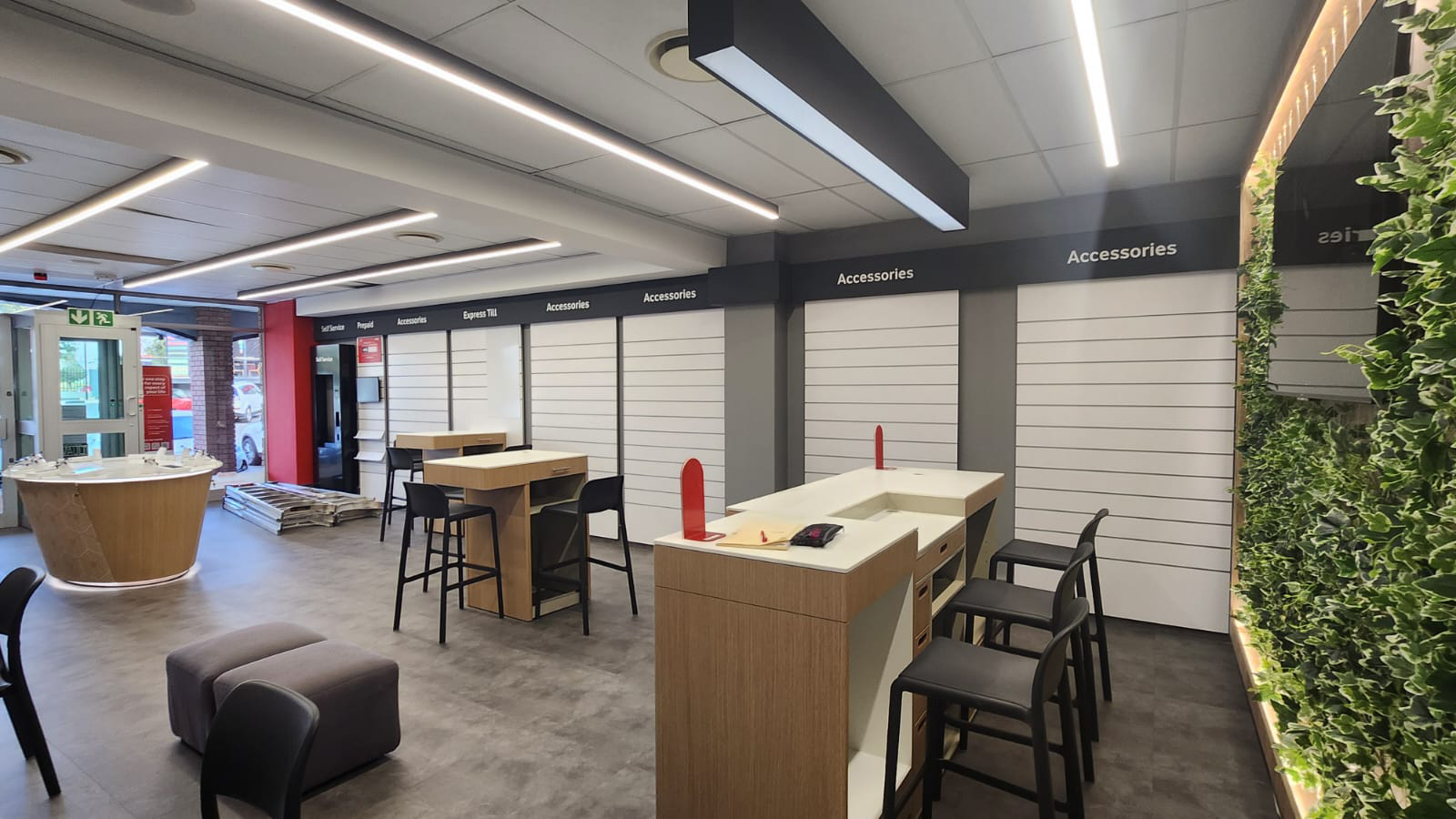
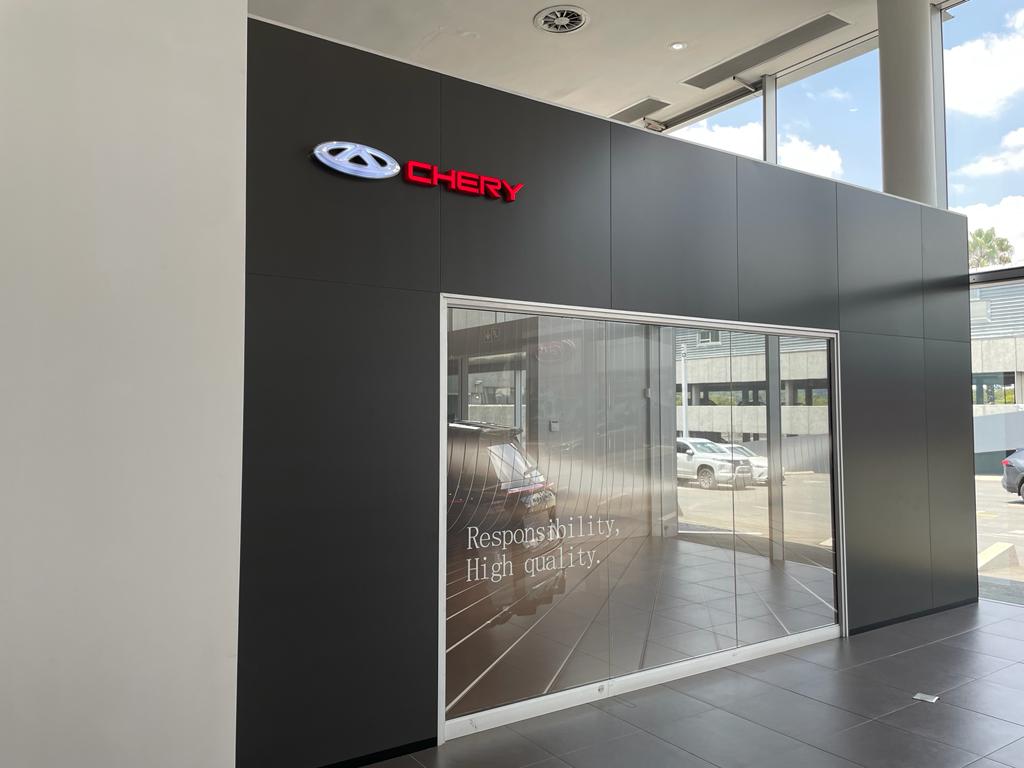
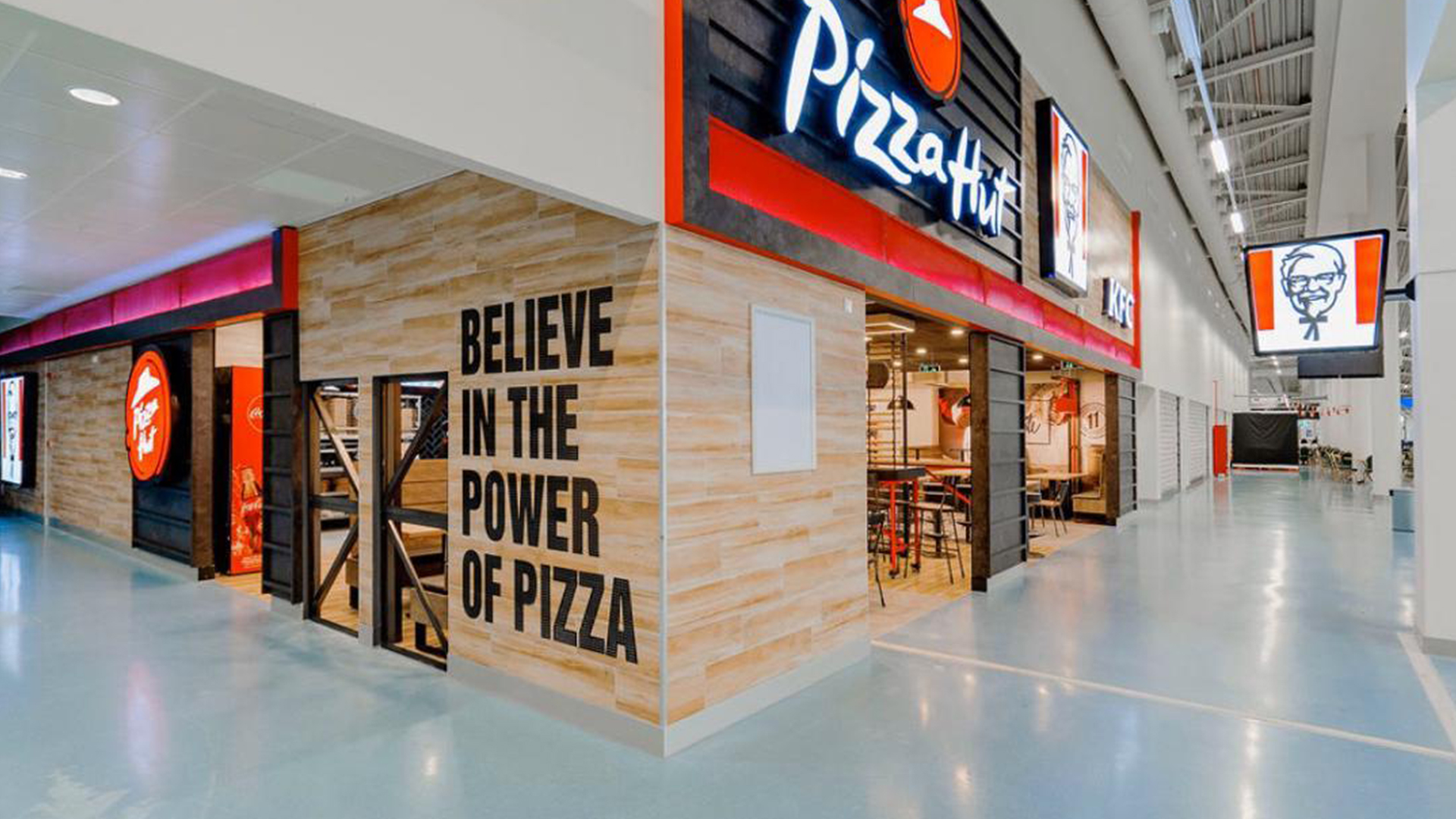
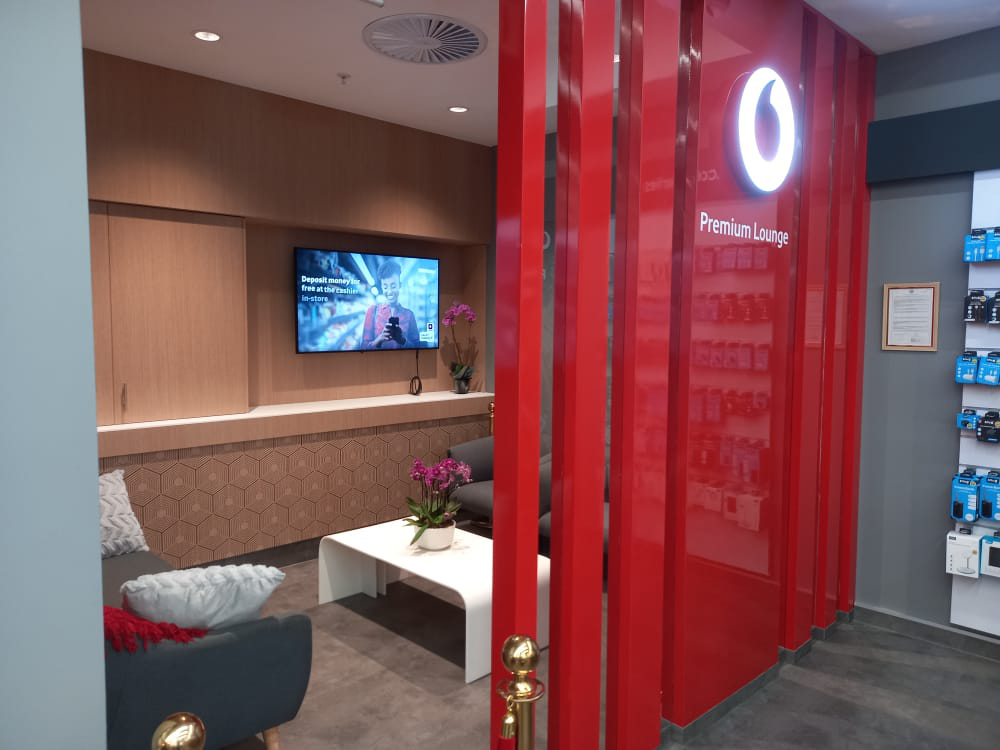
Our portfolio includes telecom, automotive, fuel, food and service brands that depend on clear, recognisable customer environments.
The right level of detail depends on who will use the manual and how much variation the rollout must accommodate.
A clear explanation of the customer journey, visual hierarchy and non-negotiable elements that hold the concept together.
Typical layouts, zoning, adjacencies, dimensional guidance and approved responses to common site conditions.
Information for finishes, fixtures, furniture, signage, lighting, graphics and repeatable branded components.
Site review checklists, schedules, responsibilities and approval points that help teams manage variation.
A manual should remove uncertainty, not create a larger document that nobody uses.
We identify the decisions that create recognition, the areas open to adaptation and the information already available.
We work through common footprints and constraints to see where the design needs rules, variants or clearer detail.
Information is organised around the way rollout teams work, with drawings, schedules, examples and straightforward guidance.
Where the appointment allows, feedback from early sites is used to improve details and remove repeated points of confusion.
What matters
Not every site needs to be identical. Customers recognise the brand through a smaller set of recurring signals such as arrival, colour, signage, service points, materials and the way information is organised. A good manual protects these signals while allowing the format to respond sensibly to the building.
Rollouts involve many people. Client teams, landlords, designers, project managers, contractors and suppliers all need to know what has already been decided and when approval is required. Clear information reduces repeated design work and gives each site team a more reliable basis for pricing and planning.
The manual is structured for real use. Diagrams, typical details, schedules and examples explain the intention more efficiently than long blocks of policy language. Navigation and document structure matter because people often need to find one answer quickly while a project is moving.
A rollout manual should not freeze the brand in time. Early sites reveal new constraints, better supplier solutions and details that need refinement. We can establish a controlled update process so the document stays current without allowing unapproved changes to spread through the network.
Operations, marketing, procurement and property teams often need different information from the same system. A well-planned manual gives each group a clear route to the standards that affect its work. It can support site selection, early test fits, supplier pricing, landlord submissions, quality reviews and staff briefing. This makes the document part of the rollout process rather than an archive produced after the design is complete.
Practical answers to help you decide whether this service fits your project.
It is a practical design and implementation guide that helps teams apply an approved brand environment across multiple locations.
No. Brand guidelines focus on the visual identity. A rollout manual goes further into space planning, fixtures, finishes, signage and site delivery.
Yes. We can review the existing concept, identify what should be standardised and close the information gaps that affect rollout.
Yes. Typical formats, planning rules and approved variants can be developed for different footprints and site conditions.
Yes. Lessons from procurement, construction and operation can be incorporated through a controlled revision process.
From the initial transformation of Vodacom World through to its ongoing refresh and enhancement, Brand DNA has consistently delivered exceptional work. They possess a rare ability to combine innovative design thinking with practical execution, creating retail environments that are both impactful and commercially effective.
Tell us about the prototype, rollout markets, site types and delivery team. We will help define a manual people can use.
